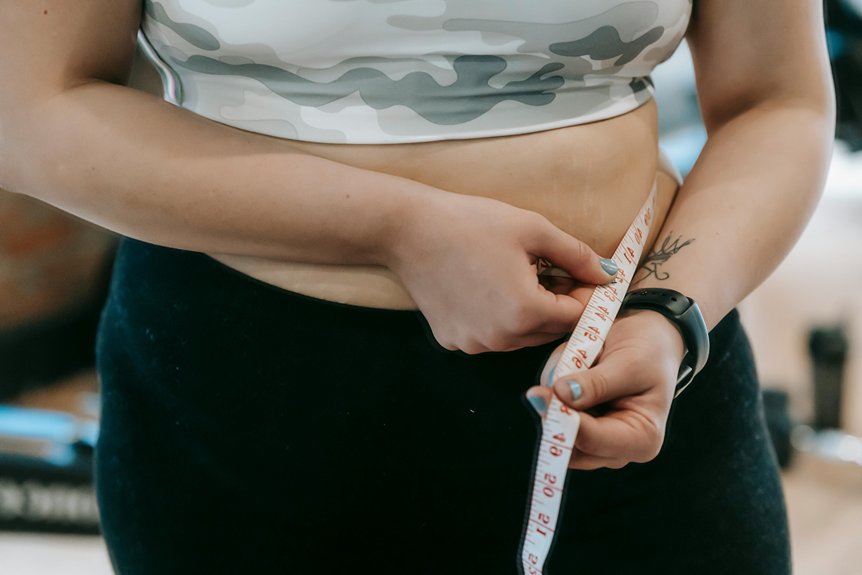
You might think you’re making healthy choices, but hidden calories can easily derail your weight loss efforts. Beverages, condiments, and seemingly innocent snacks often pack more calories than you realize. Even your favorite sauces and dressings might be contributing to your calorie count in ways you hadn’t considered. Understanding these hidden pitfalls is essential for effective weight management. What you don’t know could be holding you back from achieving your goals.
Beverages: The Liquid Calorie Trap
When you’re trying to lose weight, it’s easy to overlook the calories hidden in your beverages. Many people focus solely on food, but liquid calories can pack a surprising punch.
Think about your daily coffee or tea; add cream and sugar, and those calories accumulate quickly. Soft drinks, juices, and even flavored waters can be deceptively high in sugar and calories, leading you to consume more than you realize.
Alcohol is another major culprit, with cocktails often containing high-calorie mixers. To stay on track with your weight loss goals, pay attention to what you drink.
Opt for water, unsweetened tea, or black coffee when possible. By making mindful beverage choices, you can considerably reduce your caloric intake without sacrificing satisfaction. Additionally, enhancing mitochondrial function through supplements like Mitolyn can further support your metabolic health and weight loss journey.
Condiments: the Flavor Boosters With Hidden Calories
Have you ever considered how those small dashes of ketchup, mustard, or mayonnaise can greatly impact your weight loss journey?
While these condiments seem harmless, they can pack a surprising caloric punch. A tablespoon of mayonnaise, for instance, can add around 90 calories, while ketchup can sneak in about 20 calories per tablespoon.
It’s easy to underestimate how quickly these little additions stack up, especially if you’re drizzling or dolloping without measuring. If you’re not careful, your favorite flavor boosters can sabotage your efforts and lead to mindless eating.
To maintain control over your calorie intake, consider using smaller amounts or exploring lower-calorie alternatives. Remember, every calorie counts when you’re focused on reaching your weight loss goals.
Snacking Saboteurs: The Unseen Caloric Culprits
How often do you reach for a snack without considering its hidden caloric content? Those seemingly innocent treats can quickly derail your weight loss efforts.
Granola bars, for example, may appear healthy, but they often pack more sugar and calories than you’d expect. Similarly, trail mixes, while nutritious, can be calorie-dense due to nuts and dried fruits.
Even popcorn, a favorite go-to, can become a caloric monster when drenched in butter or flavored oils. Portion control is key; it’s easy to munch mindlessly, leading to excess calories.
To stay on track, read labels, measure portions, and choose whole foods. By being mindful of your snacking habits, you can avoid these unseen saboteurs that threaten your weight loss goals.
Sauces and Dressings: The Creamy Calorie Bombs
While they can elevate your meals, sauces and dressings often hide a shocking amount of calories that can sabotage your weight loss journey.
Many creamy options, like ranch or Alfredo, can pack hundreds of calories into just a few tablespoons. Even seemingly healthy choices, like vinaigrettes, can be deceptive; a simple drizzle can turn a nutritious salad into a calorie-laden dish.
The problem lies in portion sizes—it’s easy to lose track of how much you’re actually using. To stay on track, consider measuring your sauces or opting for lighter versions.
You might also explore alternatives like salsa or lemon juice, which add flavor without the calorie overload.
Watch those hidden calories, and you’ll be one step closer to your goals.
Alcohol: The Empty Calories You Didn’t See Coming
Just as sauces and dressings can pack hidden calories, alcohol often sneaks in empty calories that can derail your weight loss efforts.
When you sip on cocktails, beer, or wine, you may not realize just how quickly those calories add up. A standard beer can contain around 150 calories, while cocktails can easily exceed that, especially with mixers and added sugars.
These are calories devoid of nutrients, meaning they provide little energy but contribute to your daily intake. Plus, alcohol can lower your inhibitions, leading to poor food choices later.
If you’re aiming for weight loss, it’s essential to track your alcohol consumption and consider its impact on your overall calorie balance. Moderation is key to keep those empty calories at bay.
Portion Distortion: How Serving Sizes Can Mislead
Many people underestimate the impact of portion sizes on their weight loss journey, often leading to unintentional overeating.
When you look at a serving size on a package, it may seem reasonable, but it often doesn’t reflect what you actually consume. For example, your “single serving” of cereal might be a third of what you pour into your bowl. This discrepancy can add hundreds of calories without you even realizing it.
It’s essential to understand that restaurants often serve portions many times larger than standard sizes.
To regain control, start measuring your food and familiarize yourself with proper portion sizes. By doing so, you can better align your intake with your weight loss goals and avoid the hidden traps of portion distortion.
Health Foods: The Surprising Caloric Content
Even with a clear understanding of portion sizes, you might be surprised by the hidden calories lurking in foods often labeled as “healthy.”
Common choices like granola, smoothies, and certain salad dressings can pack more calories than you’d expect. For instance, a seemingly wholesome granola can contain upwards of 200 calories per serving, often due to added sugars and fats.
Smoothies, while nutritious, can quickly escalate to 500 calories or more, especially with added fruit, yogurt, or sweeteners.
Salad dressings, too, can turn a light meal into a calorie bomb, with some containing over 100 calories per tablespoon.
Being aware of these hidden calories can empower you to make better choices and align your diet with your weight loss goals.
Cooking Oils: The Sneaky Source of Extra Calories
While you might think that cooking oils are a harmless staple in your kitchen, they can greatly contribute to your overall caloric intake. Even a tablespoon of oil can add around 120 calories to your meal.
If you’re not careful, those calories can stack up quickly, especially if you’re sautéing, frying, or dressing your dishes. You might be surprised to learn that oils like olive and coconut, despite their health benefits, still pack a caloric punch.
To keep your weight loss goals on track, consider measuring your oil portions or opting for cooking methods that require less, like steaming or baking. Being mindful of your oil usage can make a significant difference in your overall caloric consumption and progress.
About the Author