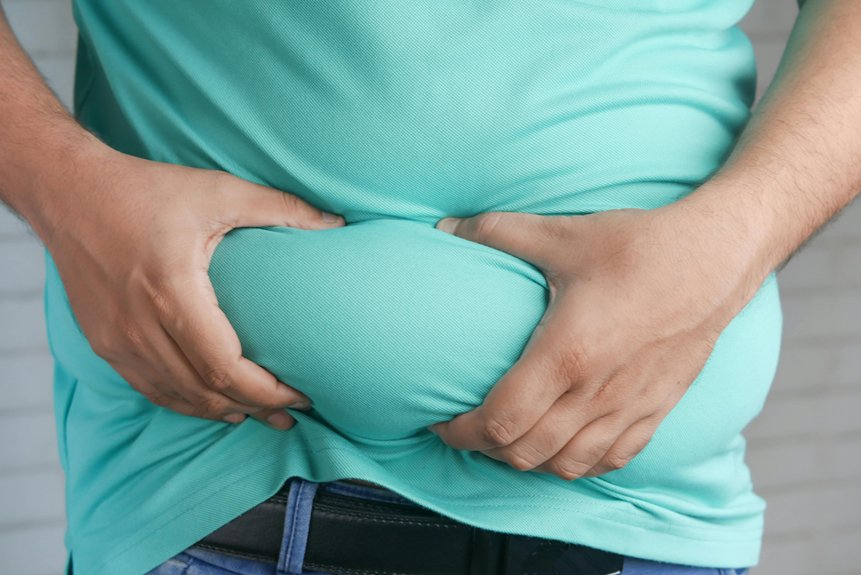
When it comes to your health journey, understanding the difference between weight loss and fat loss is vital. While many people aim to shed pounds, it’s important to recognize that not all weight loss is beneficial. Focusing on fat loss instead can lead to better results in body composition and overall health. So, what does this really mean for your approach? Let’s explore the nuances and strategies that can help you achieve lasting change.
Defining Weight Loss and Fat Loss
When it comes to health and fitness, understanding the difference between weight loss and fat loss is fundamental.
Weight loss refers to a reduction in your overall body mass, which can include water, muscle, and fat. It’s often misleading since the scale might drop, but that doesn’t always mean you’re shedding fat.
On the other hand, fat loss specifically targets the reduction of body fat, which is key for improving your body composition and overall health. Focusing on fat loss means you’re aiming to preserve muscle while decreasing fat stores.
This distinction is significant because while you might lose weight quickly, a sustainable approach prioritizes fat loss for lasting results. Making informed choices will set you on the path to achieving your fitness goals effectively. Additionally, supplements like Mitolyn can support metabolic health and enhance fat-burning efficiency, complementing your fat loss journey.
The Science Behind Weight Loss
Understanding the science behind weight loss is essential for anyone looking to achieve their fitness goals effectively. At its core, weight loss occurs when you consume fewer calories than your body burns. This is known as a calorie deficit.
Your metabolism plays a significant role in this process, as it dictates how efficiently your body converts food into energy. Factors like age, gender, and muscle mass affect your metabolic rate.
Additionally, hormonal changes can influence hunger and fat storage, further complicating weight loss efforts. It’s important to recognize that while losing weight can be straightforward in theory, it often involves a complex interplay of physiological factors.
Being informed about these dynamics empowers you to make smarter choices tailored to your unique needs.
The Importance of Muscle Preservation
Muscle preservation is essential during any weight loss journey, as losing fat while maintaining muscle can greatly influence your overall health and appearance.
When you lose weight, it’s important to focus not just on the number on the scale but on body composition. Muscle mass boosts your metabolism, helping you burn more calories even at rest.
Additionally, maintaining muscle supports functional strength, making daily activities easier and enhancing your athletic performance. If you lose muscle, you may end up looking softer and less toned, which can be discouraging.
Incorporating resistance training and consuming adequate protein are key strategies for muscle preservation.
Common Misconceptions About Weight and Fat Loss
Despite popular belief, losing weight doesn’t always equate to losing fat, and this misunderstanding can lead many astray in their fitness journeys.
One common misconception is that the scale is the ultimate measure of progress. You might shed pounds quickly, but those losses could come from water or muscle, not fat.
Another myth is that all calories are equal; the source of those calories matters considerably. Consuming empty calories can stall fat loss, while nutrient-dense foods support your body’s needs.
Additionally, many believe that cardio alone is the key to fat loss, ignoring the crucial role strength training plays.
Effective Strategies for Targeting Fat Loss
When it comes to targeting fat loss effectively, incorporating a combination of dietary changes and exercise strategies is essential.
Start by focusing on a high-protein diet, which helps preserve muscle mass while promoting fat loss. Incorporate whole foods like lean meats, vegetables, and healthy fats, and consider reducing your intake of refined carbohydrates and sugars.
On the exercise front, prioritize strength training to build muscle, as this increases your resting metabolic rate. Combine it with cardiovascular workouts, such as HIIT, to maximize calorie burn.
Staying consistent is key—create a routine that you enjoy to maintain motivation. Remember, it’s about creating a sustainable lifestyle, not just a quick fix. Your efforts will lead to lasting fat loss and improved overall health.
Monitoring Progress: Beyond the Scale
How can you truly gauge your progress in fat loss beyond just the numbers on a scale? It’s essential to look at multiple factors.
First, consider body measurements, like waist and hip circumference; they can reveal changes that the scale might miss.
Next, track how your clothes fit—looser garments indicate fat loss, even if your weight remains stable.
Additionally, monitor your energy levels and physical performance; increased strength or stamina signifies positive changes.
Taking progress photos can also provide visual evidence of transformation over time.
Finally, don’t underestimate the power of body composition assessments, which can differentiate fat from muscle.
About the Author