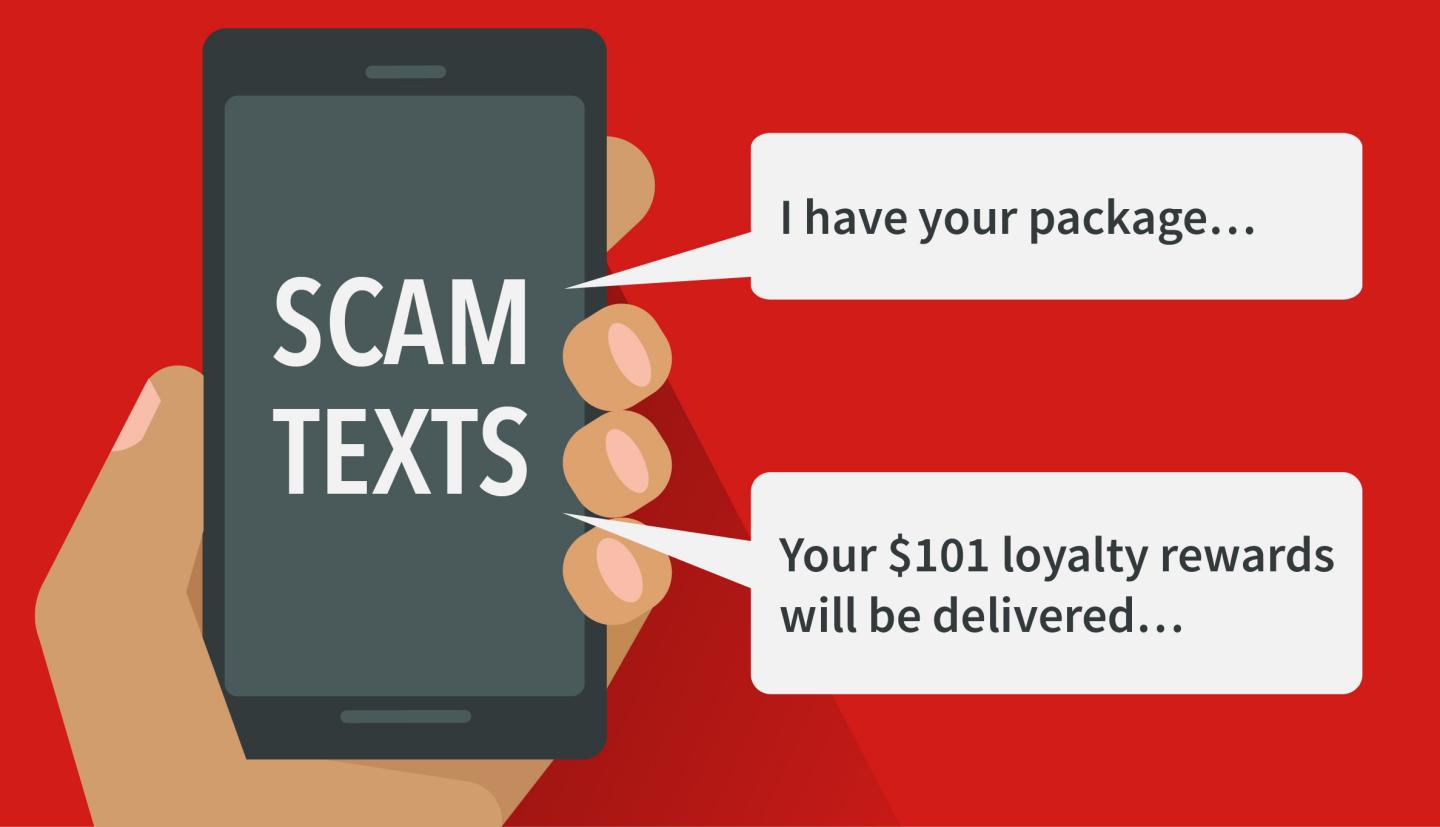
Scams are everywhere, and Canadians are not immune. From coast to coast, people are falling victim to clever tricks that exploit their trust and vulnerability. The truth is, fraudsters are getting smarter and their tactics are ever-evolving. It’s essential to stay alert and informed about the latest scams targeting our communities. Let’s dive into the top five deceptive tricks currently making the rounds.
Beware the Sneaky Scams: Canadians, Stay Alert and Aware!
Scammers thrive on fear and uncertainty. Unfortunately, one of the most prevalent scams right now is the COVID-19 vaccine scam. Fraudsters are sending emails and texts that claim to offer early access to vaccines or incentives for getting vaccinated. They often ask for personal information or payment. Always remember: legitimate health services won’t ask for money or sensitive information through unsolicited messages.
Another major concern is the “romance scam.” This scam targets those seeking love online. Scammers create fake profiles on dating websites and social media. They build relationships with their victims before asking for money, usually citing a crisis. If a new “love interest” is asking for financial help, it’s time to hit pause and rethink the situation.
Lastly, the Canada Revenue Agency (CRA) scam remains a perennial threat. Scammers impersonate CRA agents, claiming you owe taxes and demanding immediate payment. They use scare tactics, even threatening arrest. Remember, the CRA will never ask for payments in gift cards or through email. Always verify any communication that seems suspicious.
Top 5 Deceptive Tricks to Watch for in Your Inbox Today!
Phishing emails are a classic trick, and they’re still going strong. These emails often appear to be from trusted sources, like your bank or a popular retailer. They aim to lure you into clicking on malicious links. Once you do, your personal information can be compromised. Always check the sender’s email address carefully. If something feels off, it probably is.
Next up is the “free gift” scam. You might receive an enticing email promising a free product or gift card. All you need to do is provide your details or complete a quick survey. Sounds tempting, right? But beware! These scams often lead to your information being sold or used to sign you up for unwanted services. If it seems too good to be true, it likely is.
In addition, the “tech support” scam is on the rise. Victims receive calls or emails claiming their device has been compromised. Scammers often pretend to represent well-known tech companies. They might ask you to provide remote access to your device. It’s crucial to hang up and contact the company directly. Never give out personal information to unsolicited callers.
Staying informed about these scams is your best defense. The more you know, the harder it will be for scammers to take advantage of you. Share this information with friends and family—together, we can create a community that’s well-equipped to spot and avoid these deceptive tricks. Remember, when in doubt, always verify before you click! Stay safe out there, Canadians!
About the Author